• Adaptive Control
  • Linear Systems Theory
  • Flight Controls

Teaching

My teaching spans control theory, robotics, dynamics, optimization, and aerospace systems. Across these courses, I aim to connect rigorous mathematical foundations with practical engineering insight, numerical methods, and applications that motivate students from different disciplines.

Courses at Virginia Tech

At Virginia Tech, my courses emphasize control theory, robotics, and automation, while bringing together students from industrial and systems engineering, mechanical engineering, aerospace engineering, and electrical engineering.

Adaptive Control course figure

Adaptive Control

ISE/ME 6574, AOE/ECE 6774

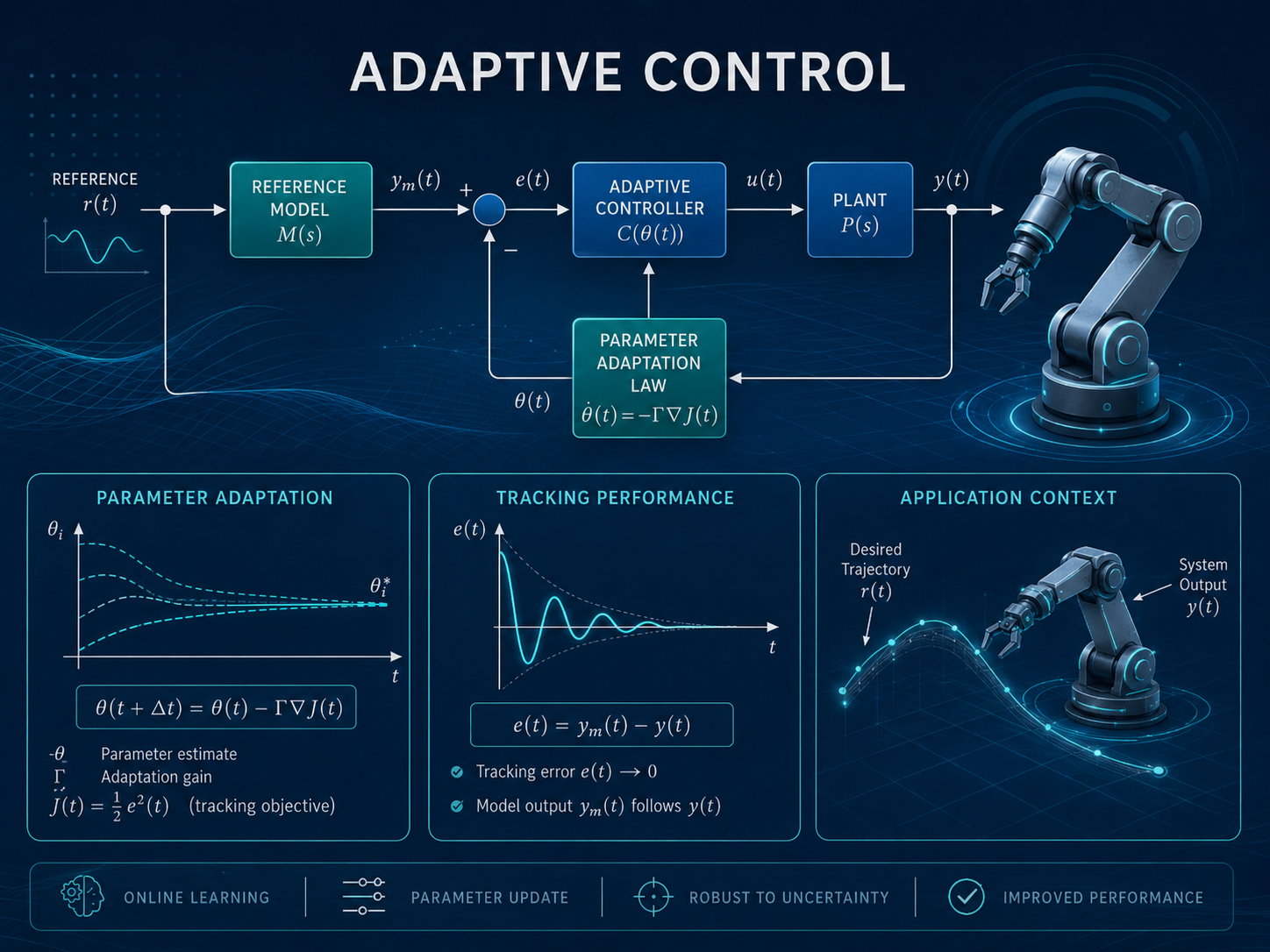
This course presents major variations of adaptive control, including model reference adaptive control, indirect adaptive control, L1 adaptive control, prescribed-performance methods, and related architectures. Special emphasis is given to analysis, implementation, and numerical studies of adaptive controllers for uncertain dynamical systems.


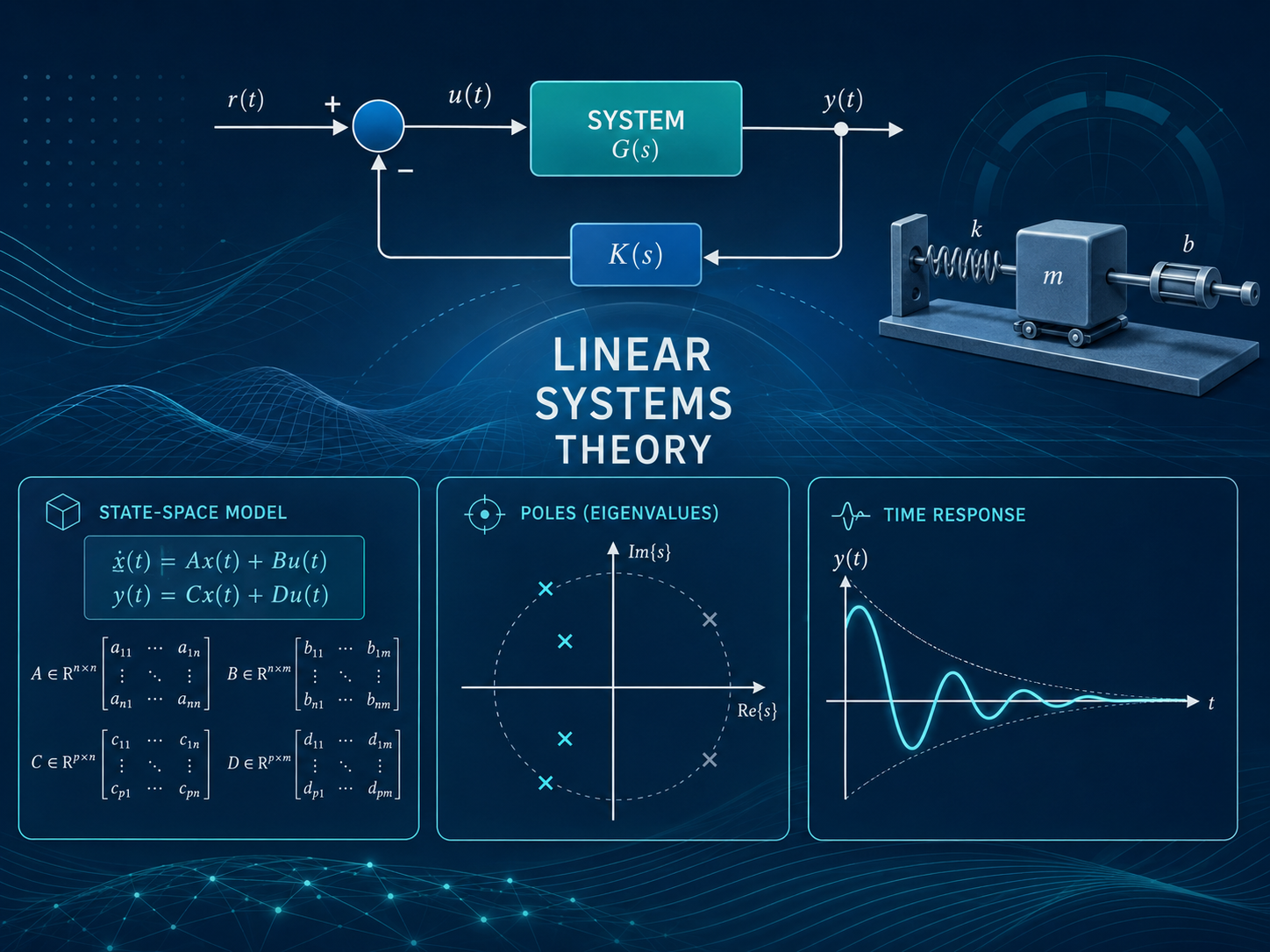
Linear Systems Theory course figure

Linear Systems Theory

ISE/AOE/ECE 5744, ME 5544

This course develops the mathematical foundations of linear dynamical systems through state-space models, stability, controllability, observability, realizations, and feedback design. Students study both the theoretical structure of linear systems and their use in analysis and control of engineering systems.


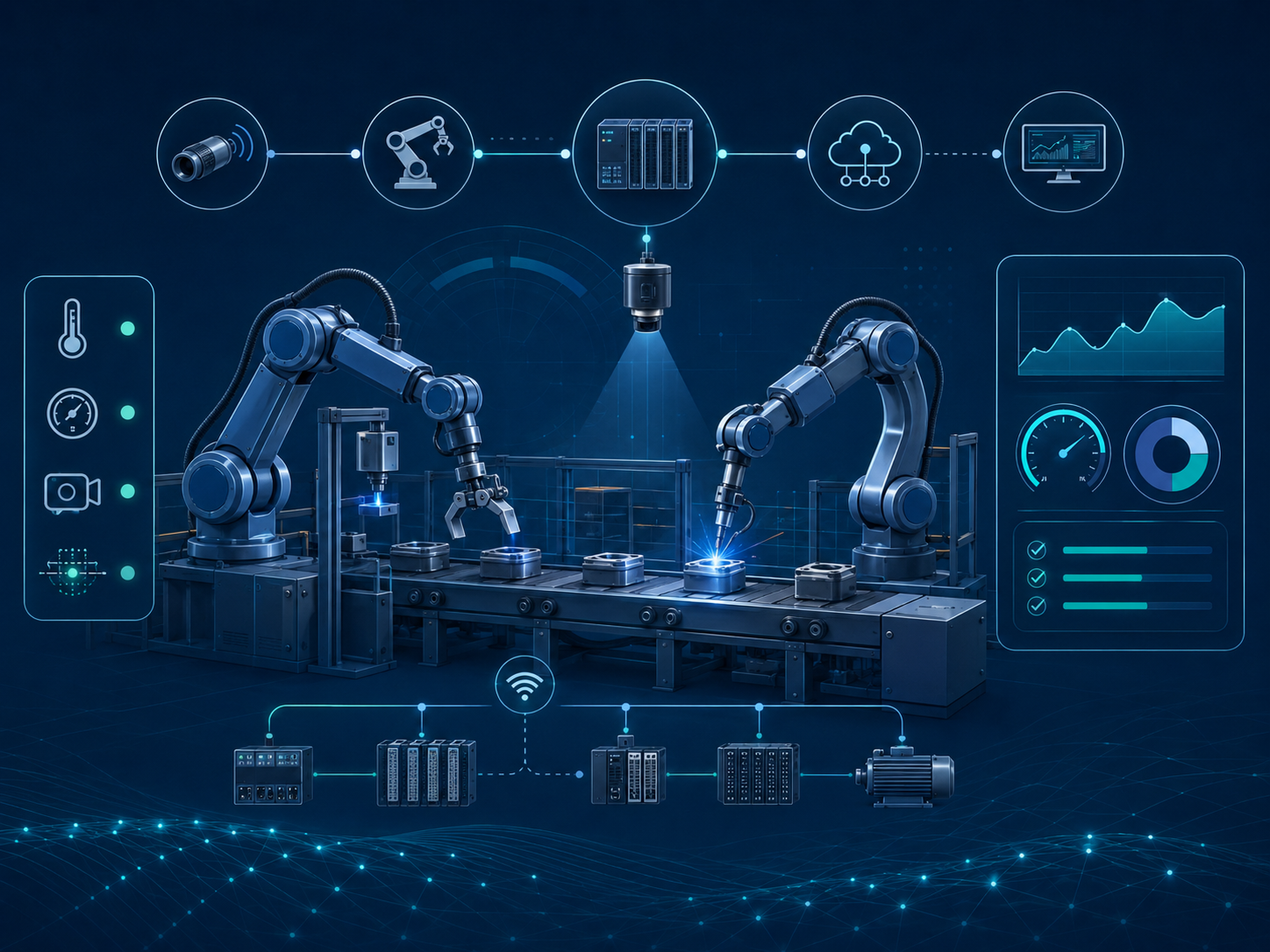
Industrial Automation course figure

Industrial Automation

ISE 4264

This course introduces senior-year undergraduate students to the fundamentals of automation and robotics for classical and modern industrial systems. The class combines theoretical foundations with hands-on exposure to sensing, control, programming, and the operation of robotic platforms in automated environments.


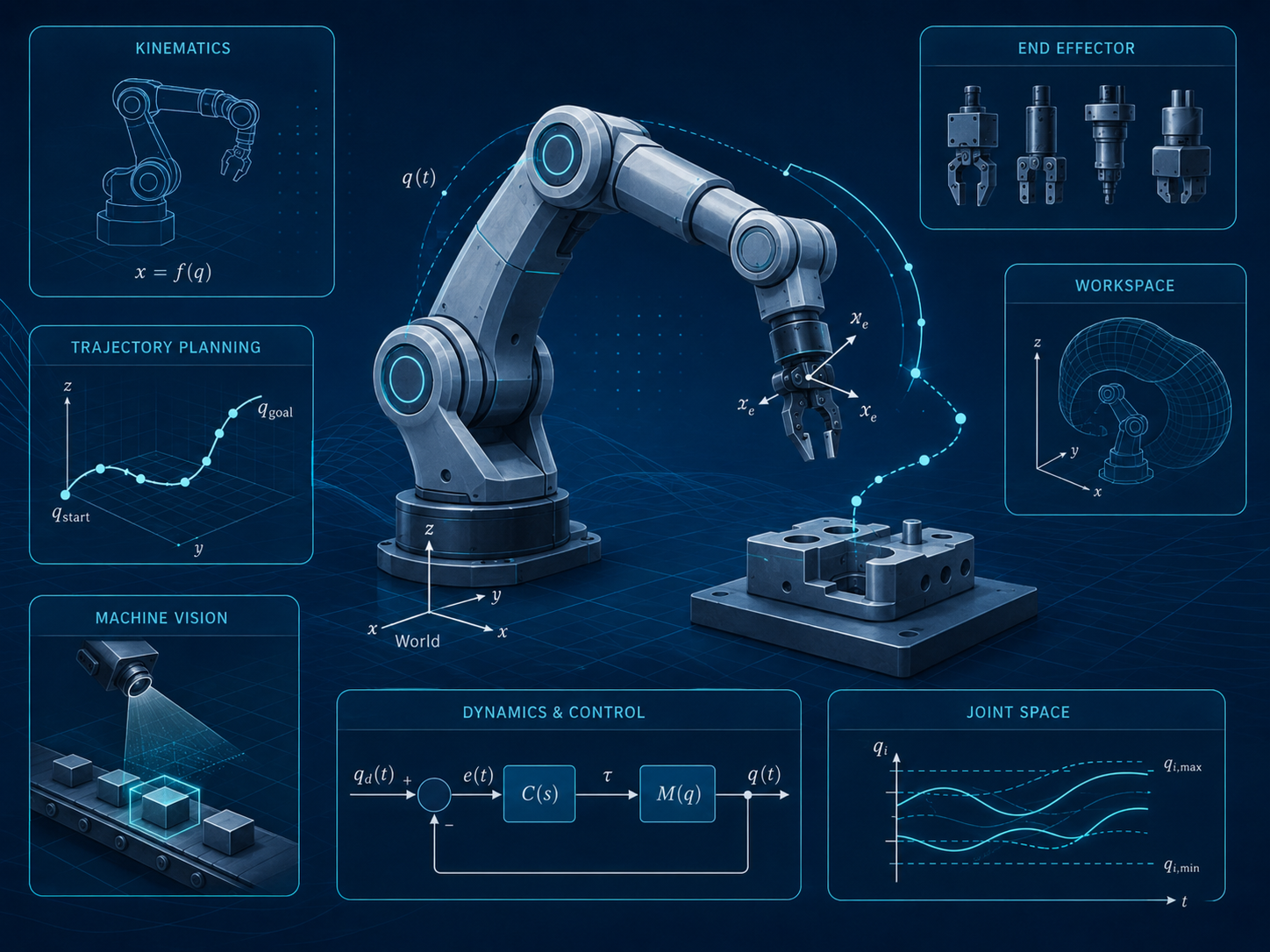
Industrial Robotics course figure

Industrial Robotics

ISE 5314

This graduate course introduces the dynamics, path planning, trajectory planning, and control of robotic manipulators, with selected elements of computer vision and perception. Special emphasis is given to robotic systems that operate in complex industrial environments where precision, repeatability, flexibility, and safety are essential.

Courses at the University of Oklahoma

At the University of Oklahoma, I taught advanced undergraduate and graduate courses in nonlinear systems, robust control, optimization, mechanical systems, and flight dynamics.

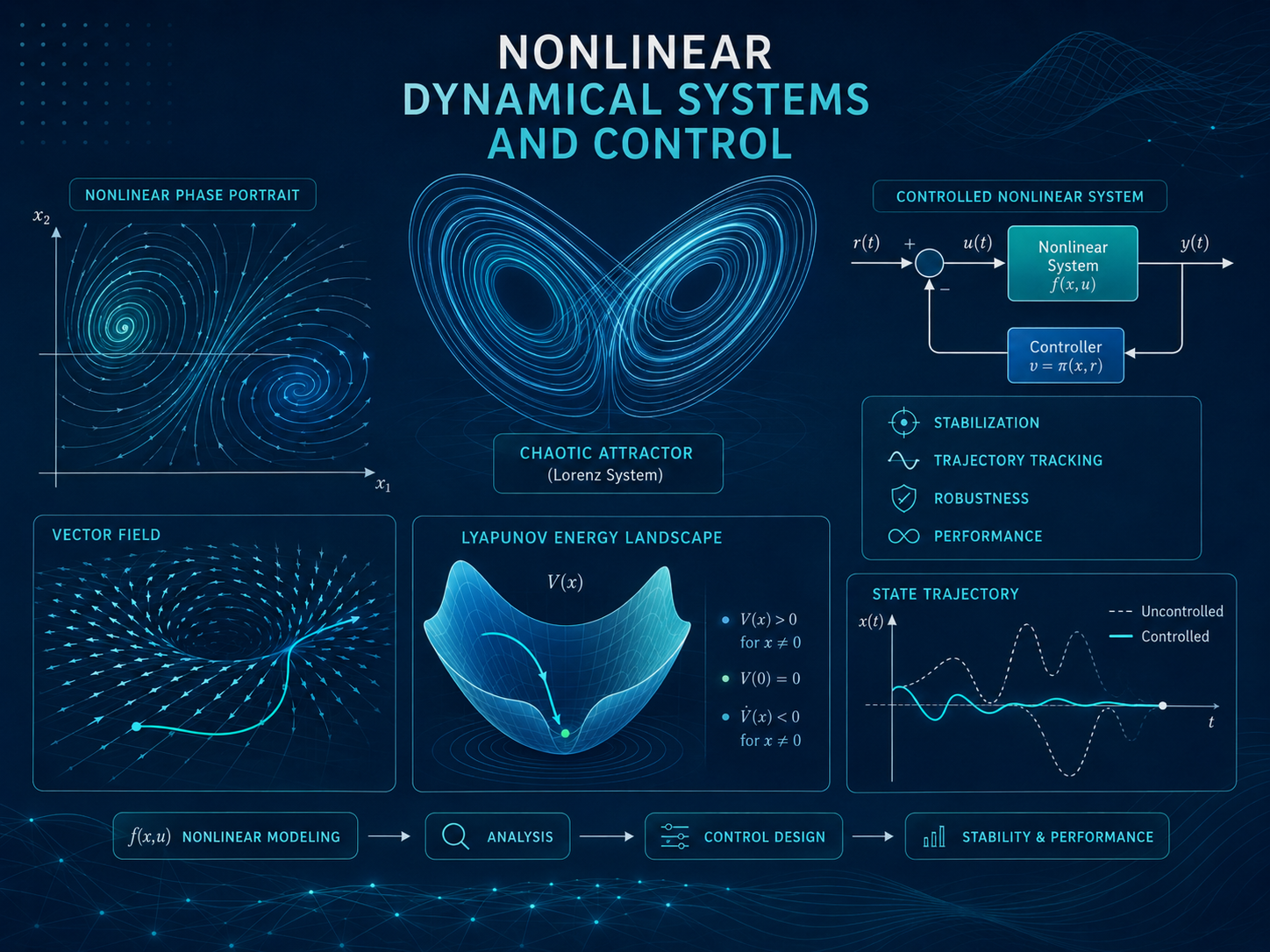
Nonlinear Dynamical Systems and Control course figure

Nonlinear Dynamical Systems and Control

AME 5790/4970

The goal of this course is to analyze dynamical systems whose behavior is governed by nonlinear ordinary differential equations. Topics include existence of solutions, Lyapunov stability theory, partial-state stability, and control techniques such as backstepping, sliding mode control, model reference adaptive control, and feedback linearization.


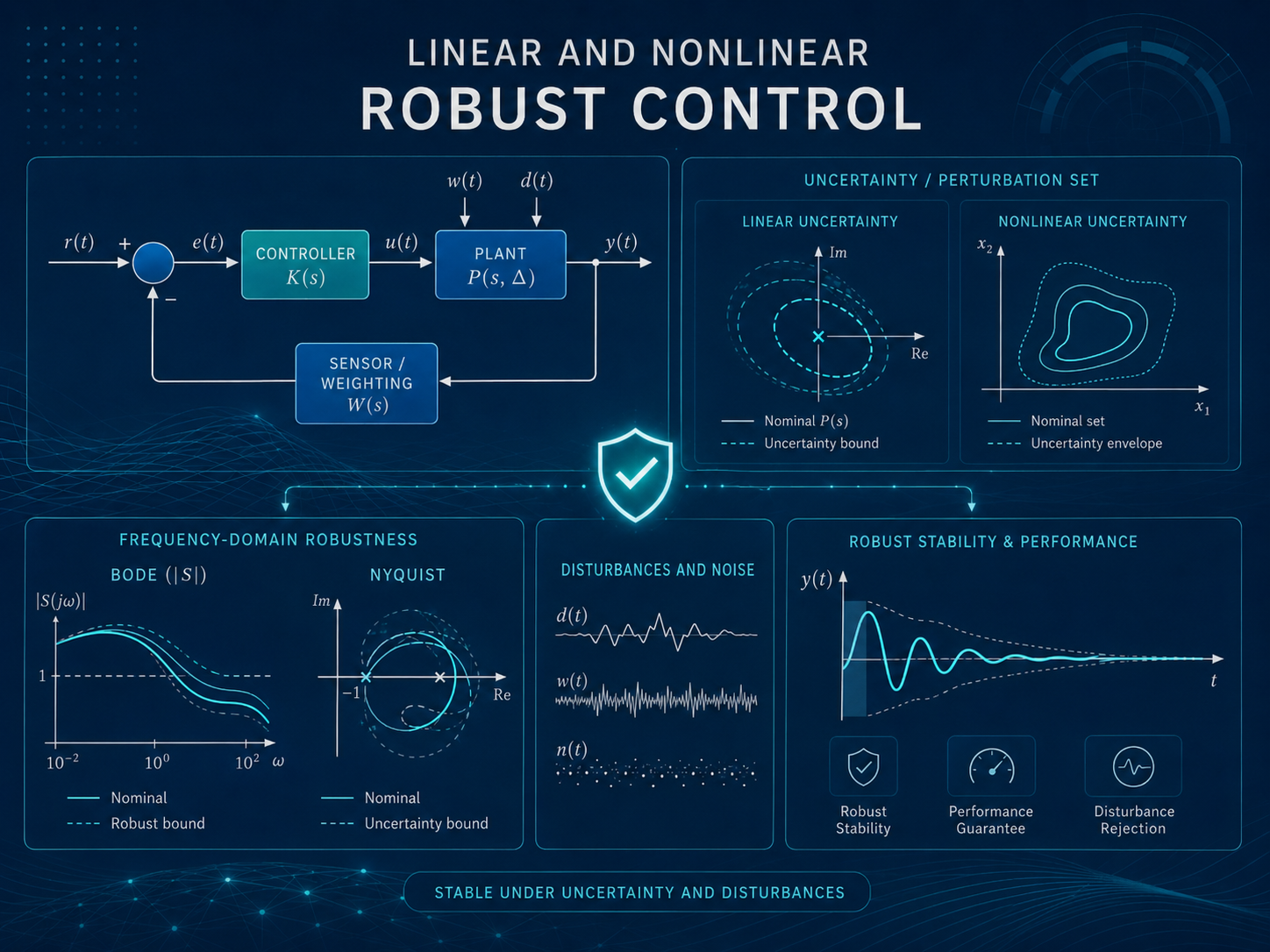
Linear and Nonlinear Robust Control course figure

Linear and Nonlinear Robust Control

AME 5790/4970

This course presents control design techniques for linear and nonlinear dynamical systems under uncertainty. Topics include H2, H, and mixed H2/H methods, together with sliding mode control, robust adaptive control, and adaptive sliding mode control, all motivated by engineering applications.


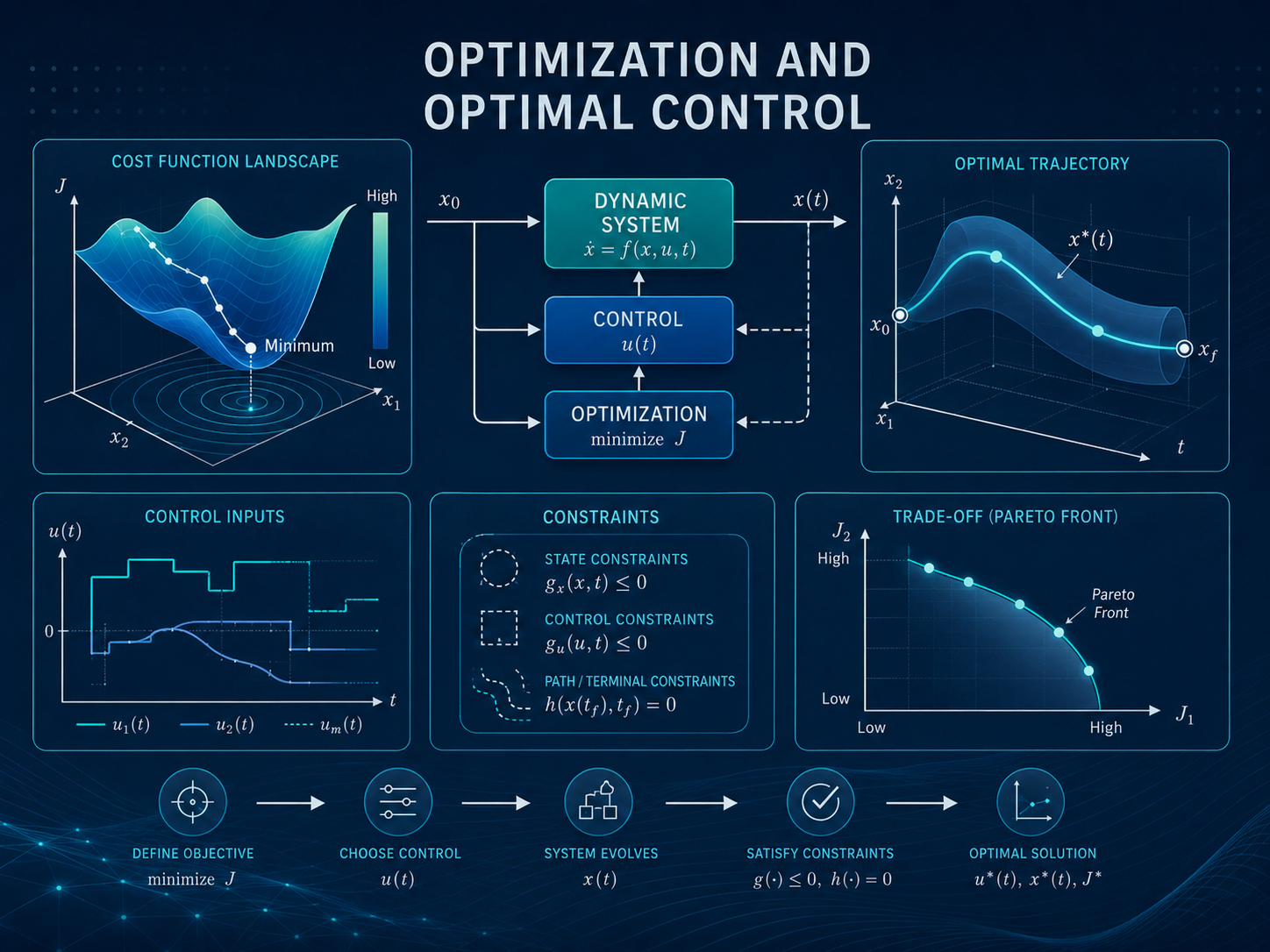
Optimization and Optimal Control course figure

Optimization and Optimal Control

AME 5790/4970

In the first part of this course, students are introduced to convex optimization problems such as linear, quadratic, and geometric programming, with emphasis on duality and the KKT conditions. The second part focuses on necessary and sufficient conditions for optimal control of dynamical systems, supported by analytical and numerical examples inspired by practical engineering problems.


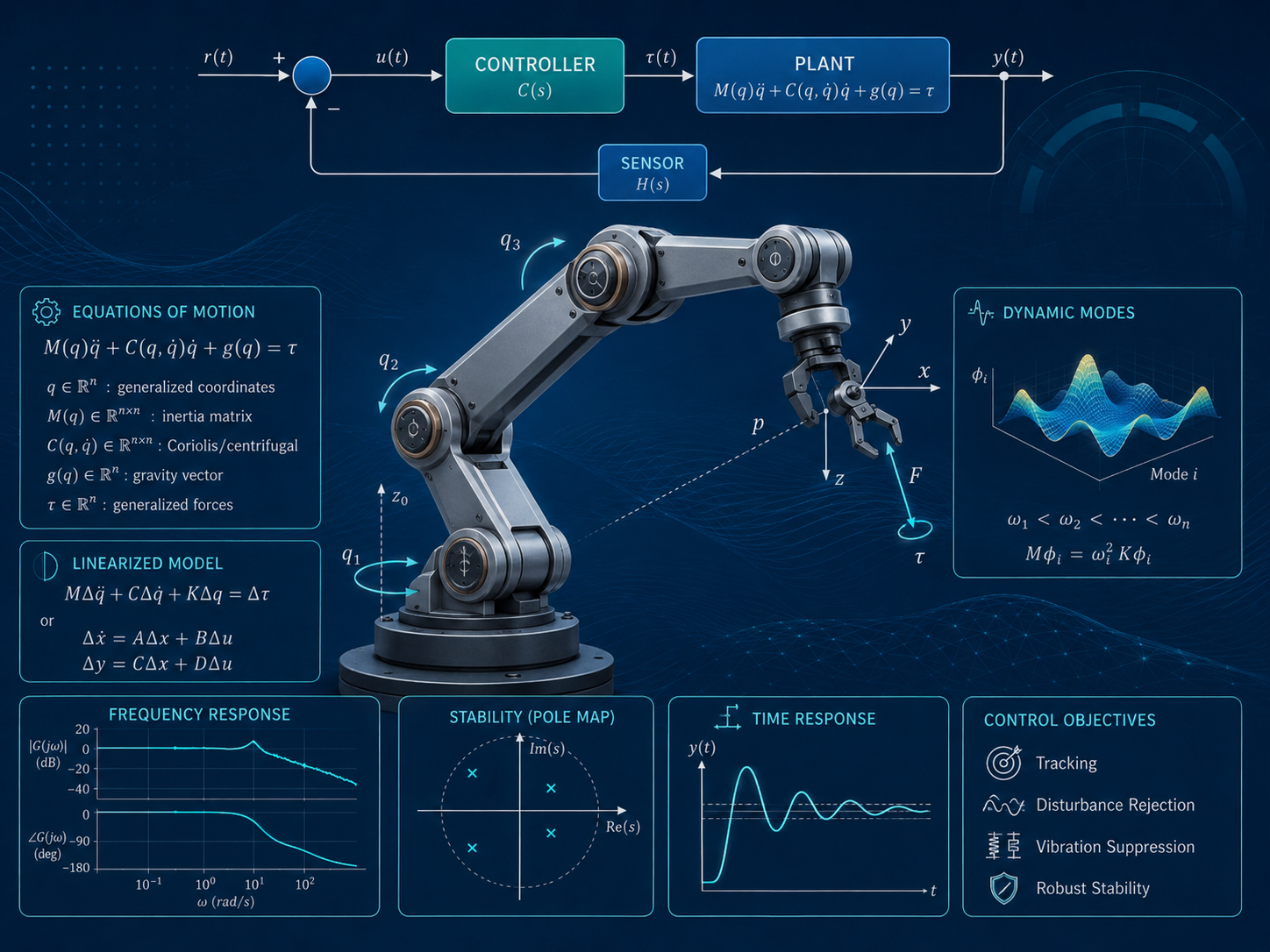
Advanced Dynamics and Control of Mechanical Systems course figure

Advanced Dynamics & Control of Mechanical Systems

AME 5790/4970

This course introduces advanced techniques to model and control multibody mechanical systems such as robotic manipulators and bio-inspired mechanical systems. Students learn how to analyze dynamics, derive models, and design controllers that can be applied to autonomous mechanical systems in realistic engineering scenarios.


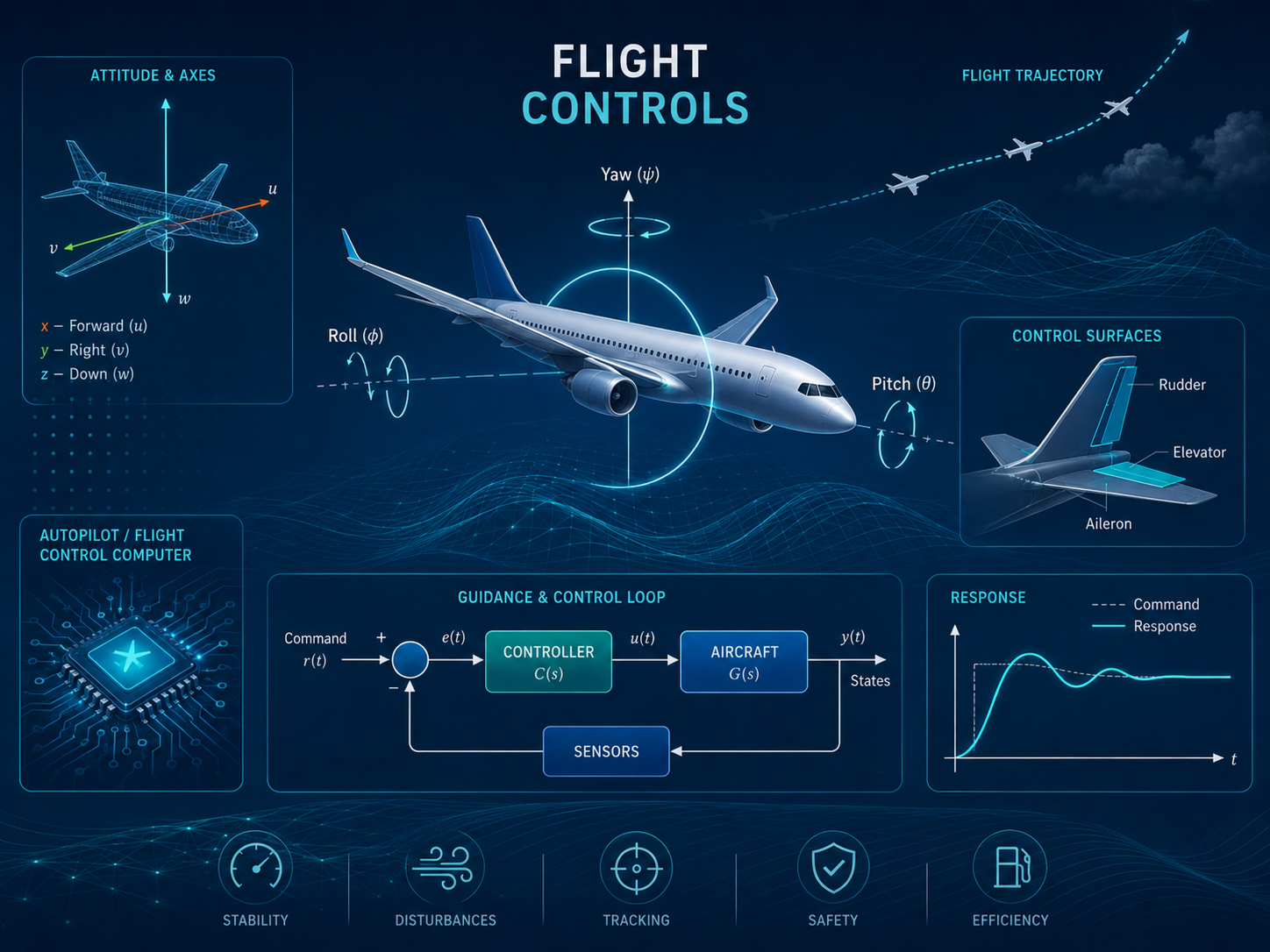
Flight Controls course figure

Flight Controls

AME 5513/4513

This course provides an introduction to flight dynamics and control for aerospace engineering applications. Students study the modeling of aircraft motion, stability, control, and feedback design, while developing the tools needed to analyze and solve practical problems in flight control systems.